Youth, Peace and Security: Towards a Local Perspective
International Training Course | 11–20 October 2024 | Monzambano (Mantova), Italy
Implementing Organisation: Sustainable Cooperation for Peace & Security (SCPS)
Funding Institution: Agenzia Italiana per la Gioventù (Italian Youth Agency)
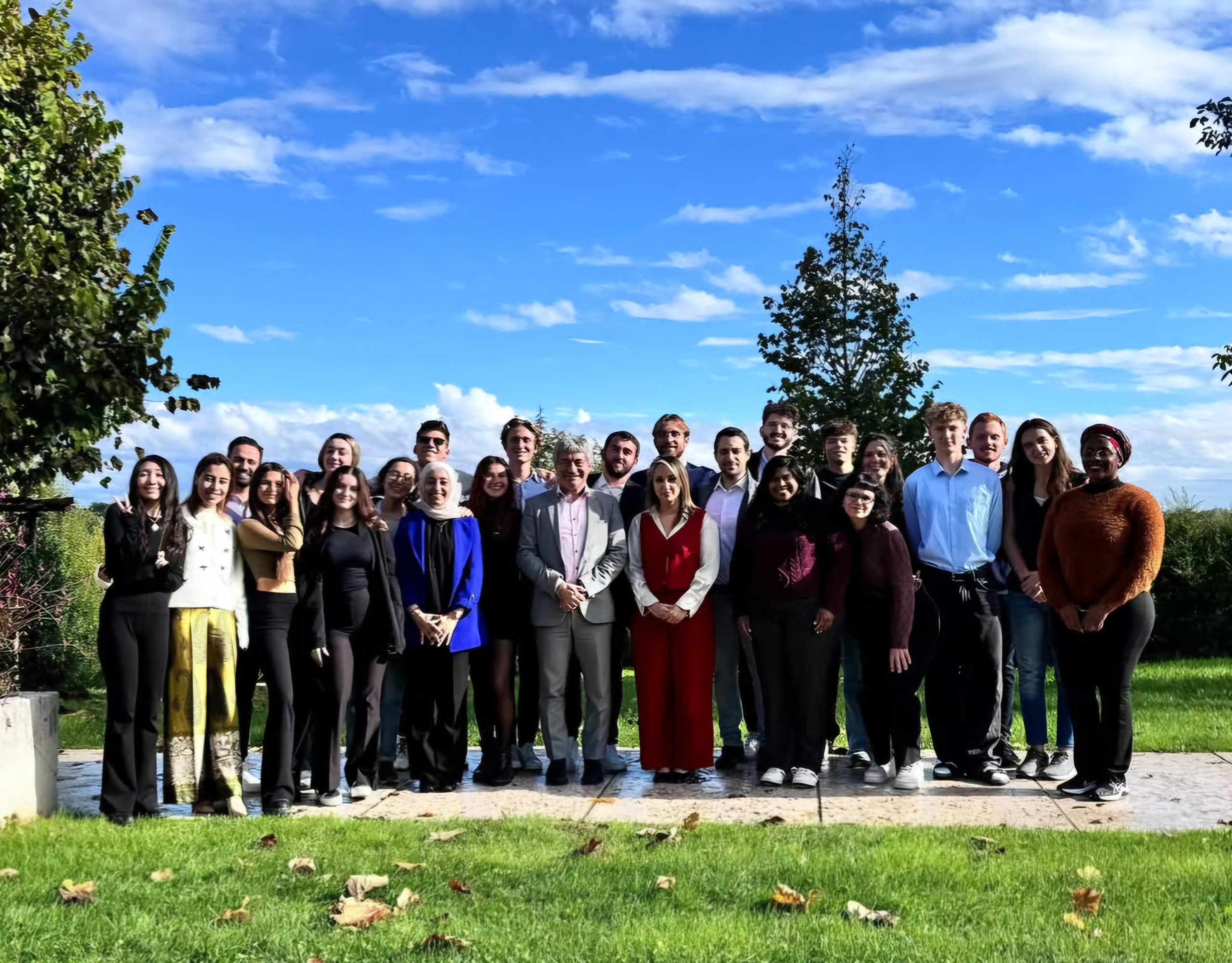
Participants: 21 participants and 3 trainers
Countries Represented: Italy, the Netherlands, Albania, Türkiye, Lithuania, Romania and Spain
Project Summary
Youth, Peace and Security: Towards a Local Perspective was an international training course implemented by Sustainable Cooperation for Peace & Security (SCPS) from 11 to 20 October 2024 in Monzambano, in the province of Mantova, Italy. Funded by the Italian Youth Agency, the project brought together 21 participants and 3 trainers from seven countries to strengthen the capacities of youth workers and young peacebuilders to advance the implementation of United Nations Security Council Resolution 2250 (2015) on Youth, Peace and Security (YPS).
The initiative represented a significant milestone in advancing the YPS Agenda in Italy. It was the first project specifically dedicated to Youth, Peace and Security implemented in Italy and the first to be financed through funding mechanisms outside the Italian Ministry of Foreign Affairs and International Cooperation (MAECI) and its external action framework.
This distinction was particularly significant because the YPS Agenda had traditionally been approached in Italy primarily through the lens of foreign policy, international cooperation and external peacebuilding interventions. By obtaining funding from the Italian Youth Agency, SCPS contributed to broadening the institutional understanding of the Agenda, demonstrating its relevance not only to international peace and security but also to domestic youth policies, local governance, civic engagement and community-based peacebuilding.
The project was grounded in the understanding that the implementation of UNSCR 2250 could not remain confined to international institutions and national governments. Its principles needed to be translated into concrete policies, practices and initiatives at the local level, where young people interacted directly with institutions, civil society organisations and their communities.
The training therefore focused on equipping youth workers with the knowledge, practical tools and advocacy competencies necessary to promote the localisation of the YPS Agenda. Particular attention was devoted to strengthening participants’ abilities to engage institutional stakeholders, develop youth-led initiatives, advocate for inclusive decision-making processes and contribute to the adoption and implementation of National Action Plans on YPS.
By combining non-formal education, intercultural learning, leadership development and practical advocacy exercises, the project connected the international policy framework of UNSCR 2250 with the everyday realities of youth work.
The initiative also created opportunities for transnational cooperation among participants and youth organisations, encouraging the development of professional relationships and collaborative approaches to advancing the YPS Agenda across different national and local contexts.
Project Objectives
The overall objective of the project was to strengthen the role of young people and youth workers as active contributors to peace and security by enhancing their capacity to promote the localisation and implementation of UNSCR 2250.
The project pursued six interconnected objectives.
1. Strengthening Youth Influence and Institutional Engagement
The project sought to increase participants’ ability to influence stakeholders and decision-makers involved in the implementation of the YPS Agenda.
Through the training, participants developed a deeper understanding of the institutional frameworks, advocacy mechanisms and participatory processes through which young people could contribute to peace and security policies.
Particular emphasis was placed on strengthening their capacity to identify relevant stakeholders, communicate policy priorities, establish constructive dialogue with institutions and advocate for the meaningful participation of young people in decision-making processes.
The objective was to move beyond approaches that viewed young people primarily as beneficiaries of peacebuilding initiatives and instead reinforce their recognition as legitimate stakeholders and partners in shaping policies affecting their communities.
2. Developing Leadership Competencies for Youth-Led Peacebuilding
The project aimed to strengthen participants’ leadership capacities and their ability to initiate, coordinate and sustain collective peacebuilding efforts.
The training explored leadership practices that fostered shared direction, alignment, cooperation and commitment among individuals and organisations working towards common objectives.
Rather than focusing exclusively on individual leadership, the project promoted collaborative and participatory approaches that enabled youth workers to mobilise their communities, facilitate dialogue and support collective action.
These competencies were particularly relevant to the YPS Agenda, which required cooperation among young people, civil society organisations, institutions and other stakeholders to translate international commitments into practical results.
3. Facilitating the Immediate Application of Knowledge and Skills
A central objective was to ensure that participants could translate the knowledge and competencies acquired during the training into concrete actions within their organisations and local communities.
The project therefore prioritised practical learning methodologies that connected theoretical discussions on UNSCR 2250 with real-world challenges in youth work, peacebuilding and advocacy.
Participants were encouraged to reflect on the specific needs and institutional contexts of their countries and communities, identifying opportunities to apply the principles of the YPS Agenda through local initiatives, stakeholder engagement and organisational activities.
This approach was designed to reduce the gap between policy knowledge and practical implementation, enabling participants to integrate YPS principles into their professional and voluntary work.
4. Building an International Support Network
The project aimed to foster the development of an international network of youth workers and young peacebuilders committed to advancing the YPS Agenda.
By bringing together participants from seven countries, the training created opportunities for intercultural exchange, mutual learning and professional networking.
The project also sought to strengthen participants’ connections with experienced professionals and organisations working in peacebuilding, youth participation and advocacy.
These relationships were intended to provide opportunities for continued exchange, peer support, mentoring and collaboration beyond the duration of the training course.
5. Strengthening Cooperation among Youth Workers and Peacebuilding Organisations
The project facilitated connections among youth workers and organisations operating in different national contexts, with the objective of encouraging future partnerships and collaborative initiatives.
Participants exchanged experiences, methodologies and perspectives on the challenges and opportunities associated with advancing youth participation in peace and security processes.
The international dimension of the training was particularly important because the implementation of UNSCR 2250 differed considerably across countries, depending on institutional frameworks, political priorities and the recognition afforded to young people as peacebuilding actors.
The exchange of experiences enabled participants to explore different approaches and identify practices that could be adapted to their own organisational and community contexts.
6. Promoting Transnational Advocacy for the YPS Agenda
The project sought to strengthen the foundations for transnational advocacy among youth workers and civil society organisations committed to implementing UNSCR 2250.
A particular focus was placed on the importance of National Action Plans on Youth, Peace and Security as instruments for translating international commitments into coordinated national policies and practical measures.
Participants explored the role of civil society and youth-led organisations in advocating for the development, adoption and implementation of these frameworks.
At the same time, the project highlighted the importance of connecting national advocacy efforts with local implementation, recognising that National Action Plans could only produce meaningful change when their commitments reached communities and were translated into accessible opportunities for youth participation.
Through this approach, the project promoted a shared understanding of advocacy as a collaborative and sustained process involving institutions, youth organisations and peacebuilding practitioners.
Activities and Methodology
The project was implemented through an intensive international training programme that combined theoretical learning, practical exercises, participatory workshops, intercultural dialogue and non-formal education methodologies.
The training involved 21 participants and 3 trainers from Italy, the Netherlands, Albania, Türkiye, Lithuania, Romania and Spain, bringing together individuals with different cultural backgrounds, professional experiences and perspectives on youth participation and peacebuilding.
Participants were selected for their interest and engagement in youth work, peacebuilding, climate, peace and security, civic participation and youth empowerment. Their diverse experiences contributed to the exchange of perspectives and the exploration of different approaches to the implementation of the YPS Agenda.
The programme was structured around several complementary areas of learning and capacity development.
Understanding UNSCR 2250 and the YPS Agenda
The training provided participants with a comprehensive understanding of the origins, principles and policy implications of UNSCR 2250.
Participants explored the significance of the Resolution in recognising young people as positive agents of change and essential partners in the prevention and resolution of conflicts, peacebuilding and the promotion of inclusive societies.
The programme addressed the importance of moving beyond narratives that associated young people primarily with vulnerability or security risks and instead recognised their contributions to peace, resilience and social cohesion.
Particular attention was devoted to understanding how international policy commitments could be translated into national and local action.
Localising the YPS Agenda
Localisation constituted the central thematic focus of the project.
Participants examined the relevance of UNSCR 2250 to local communities and explored how youth workers could contribute to its implementation through community-based initiatives, institutional dialogue and advocacy.
The training highlighted the role of municipalities, local authorities, youth organisations and civil society actors in creating enabling environments for meaningful youth participation.
It also encouraged participants to consider how the principles of the YPS Agenda could be integrated into existing youth work practices, local participation mechanisms and community development initiatives.
Advocacy and Stakeholder Engagement
The programme included practical learning activities aimed at strengthening participants’ advocacy and communication competencies.
Participants explored approaches to identifying institutional stakeholders, developing advocacy priorities, communicating policy recommendations and building constructive relationships with decision-makers.
The training emphasised the importance of sustained engagement with institutions and the need to create opportunities for young people to influence policy processes rather than participate exclusively through occasional consultations.
Leadership and Collaborative Action
Through interactive exercises and group activities, participants strengthened their competencies in collaborative leadership, teamwork, communication and collective decision-making.
These activities encouraged participants to reflect on the importance of shared responsibility, mutual trust and inclusive leadership in developing sustainable peacebuilding initiatives.
The methodology also promoted peer learning and the exchange of experiences among participants working in different organisational and national contexts.
International Exchange and Networking
The intercultural dimension was an integral component of the training.
By bringing together participants from seven countries, the project facilitated dialogue on different national experiences, institutional approaches and challenges related to the implementation of the YPS Agenda.
Participants had opportunities to exchange knowledge, identify common priorities and explore potential areas of cooperation.
These exchanges strengthened the transnational character of the initiative and reinforced the understanding that the implementation of UNSCR 2250 required both locally grounded action and international collaboration.
Impact and Results
The project contributed to advancing the understanding and practical relevance of the YPS Agenda among youth workers and civil society actors, while demonstrating the potential of international youth mobility and non-formal education as instruments for strengthening youth participation in peacebuilding.
Its contribution can be understood across several interconnected dimensions.
Strengthening the Capacities of Youth Workers
The training provided 21 participants with opportunities to deepen their knowledge of UNSCR 2250 and strengthen competencies relevant to youth-led peacebuilding, advocacy, leadership and stakeholder engagement.
By connecting international policy frameworks with practical youth work methodologies, the project supported participants in identifying ways to integrate the YPS Agenda into their professional and organisational contexts.
The emphasis on practical application was particularly important in encouraging participants to approach the Resolution not simply as an international commitment but as a framework capable of informing concrete actions at community level.
Promoting Local Ownership of the YPS Agenda
One of the project’s most important contributions was its emphasis on the localisation of UNSCR 2250.
The initiative challenged the perception that peace and security policies were relevant exclusively to national governments, international institutions or countries affected by armed conflict.
Instead, it highlighted the role of local communities, youth organisations and public institutions in promoting peaceful, inclusive and resilient societies.
Through this approach, the project contributed to broadening the understanding of the YPS Agenda and its relevance to domestic youth policies, civic participation and community-based peacebuilding.
Encouraging Transnational Cooperation
The participation of youth workers from seven countries created a platform for international exchange and strengthened connections among individuals and organisations working on related challenges.
The training provided opportunities to compare national experiences, share methodologies and explore possibilities for future cooperation.
It also encouraged participants to consider the added value of coordinated advocacy and transnational partnerships in promoting the implementation of the YPS Agenda.
Supporting Advocacy for National Action Plans
The project contributed to increasing awareness of the importance of National Action Plans on Youth, Peace and Security and the role that youth workers and civil society organisations could play in advocating for their adoption and implementation.
By connecting discussions on national policy frameworks with the practical challenges of localisation, the initiative reinforced the need for coherent implementation mechanisms capable of linking international commitments, national institutions and local communities.
This approach was particularly relevant to SCPS’s broader engagement in promoting the institutionalisation of the YPS Agenda in Italy.
Encouraging the Dissemination of Knowledge
The project was designed to generate benefits extending beyond the direct participants.
By involving youth workers already engaged with youth organisations and community initiatives, the training promoted the transfer of knowledge, methodologies and competencies to their respective professional environments.
Participants were encouraged to act as multipliers, sharing their learning and applying the principles of the YPS Agenda through their organisations and networks.
This multiplier-oriented approach reinforced the project’s ambition to contribute to longer-term capacity development and awareness of UNSCR 2250 beyond the training itself.
A Pioneering Milestone for the YPS Agenda in Italy
Beyond its educational and capacity-building dimensions, Youth, Peace and Security: Towards a Local Perspective held particular strategic significance within the Italian context.
The project was particularly significant as it demonstrated how the Youth, Peace and Security (YPS) Agenda could be advanced beyond traditional foreign policy and external action instruments, and independently of a dedicated National Action Plan on YPS. By securing funding through the Italian Youth Agency, the initiative highlighted the potential of domestic youth policy frameworks and alternative funding mechanisms to support the implementation of UNSCR 2250, bringing the YPS Agenda closer to local communities, youth organisations and national youth policy priorities.
This achievement represented an important development in the institutional positioning of the YPS Agenda.
Until then, initiatives related to Youth, Peace and Security in Italy had largely been associated with foreign policy priorities, international cooperation and peacebuilding activities carried out in external contexts.
While these dimensions remained essential, such an approach risked reinforcing the perception that the YPS Agenda was primarily relevant to international interventions rather than to domestic policies and local communities.
By successfully implementing the project with the support of the Italian Youth Agency, SCPS demonstrated that UNSCR 2250 could also be advanced through youth policy instruments, educational programmes and initiatives supporting youth participation within Italy itself.
The project therefore helped challenge the traditional separation between peace and security policy and youth policy, illustrating how the two fields could reinforce each other.
It also demonstrated the potential for youth-focused funding mechanisms to support the implementation of international peace and security commitments, opening a broader discussion about the institutional actors and financial instruments that could contribute to advancing the YPS Agenda.
This was particularly relevant to the principle of localisation.
Although UNSCR 2250 was adopted by the United Nations Security Council, its effective implementation depended on the involvement of a much wider range of stakeholders, including local authorities, youth organisations, educational institutions, civil society and young people themselves.
The project translated this understanding into practice by placing youth workers at the centre of the learning process and strengthening their ability to act as intermediaries between international commitments and local realities.
It reinforced the idea that young people in Italy and across Europe were not simply beneficiaries of peace and security policies, but actors capable of contributing to their development, implementation and monitoring.
In this sense, the initiative represented more than an international training course. It was an important example of how the YPS Agenda could move beyond its traditional external action framework and become relevant to domestic policymaking, local governance and youth work.
Long-Term Relevance and Legacy
The significance of Youth, Peace and Security: Towards a Local Perspective extended beyond its implementation in October 2024.
The project formed part of SCPS’s broader commitment to promoting the institutional recognition and practical implementation of the YPS Agenda at local, national and international levels.
Its emphasis on youth-led advocacy, institutional engagement and the localisation of UNSCR 2250 complemented the organisation’s wider work through the Italian Coalition on Youth, Peace and Security and its engagement with national and international stakeholders.
The initiative also offered a relevant example of how different policy and funding frameworks could contribute to the implementation of the YPS Agenda.
By linking youth work, international mobility, capacity development and peacebuilding, the project illustrated the importance of overcoming institutional silos and encouraging cooperation between actors traditionally operating in separate policy areas.
It highlighted that advancing the YPS Agenda required not only political recognition at the international level, but also investment in the competencies, networks and opportunities that enabled young people and youth organisations to contribute meaningfully to peacebuilding.
Most importantly, the project reinforced a fundamental principle: the implementation of Youth, Peace and Security should not be limited to external action, international cooperation or conflict-affected settings. It should also be recognised as a domestic policy responsibility, embedded in youth policies, local institutions and community-level initiatives.
Through this pioneering experience, SCPS contributed to broadening the understanding of the YPS Agenda in Italy and demonstrated how international commitments could be translated into concrete opportunities for youth engagement, cooperation and leadership.
The project therefore constituted an important milestone in the organisation’s efforts to promote a more inclusive, locally grounded and sustainable approach to Youth, Peace and Security.