How does false information flow affect peacebuilding in Cyprus?
Introduction
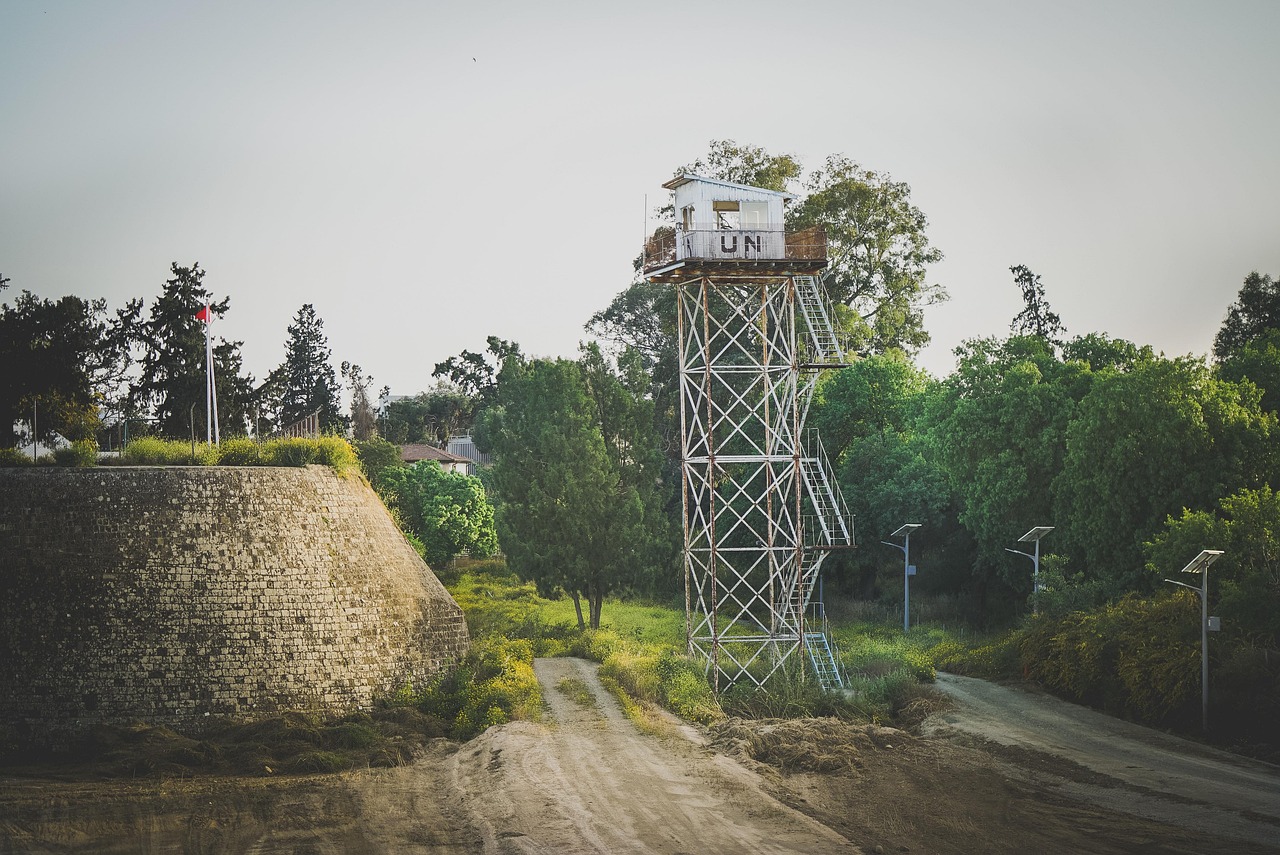
Cyprus remains the only unresolved conflict within the European Union, characterized by a buffer zone and two administrations: the Republic of Cyprus (an EU member state since 2004) and the Turkish Republic of Northern Cyprus (TRNC), an unrecognized territory sustained politically and economically by Turkey, its sole state-level supporter. This division presents complex challenges for peacebuilding. The most prominent has been the physical division between the two sides of the island, however, cyberspace along with the opening of the check-points have offered light at the end of the tunnel when it comes to peace building.
While physical barriers continue to shape life on the island, the digital age has accelerated bicommunal interaction. Online communication has enabled freer engagement across the divide. However, the digital sphere is equally marked by misinformation, distrust, and digitally driven polarization, exacerbated by the political influence of social media, the proliferation of deepfakes, echo chambers, and the rise of right-wing populism on both sides of the divide.
Cyber Peace in the Context of Cyprus
Peacebuilding efforts in Cyprus are frequently undermined by misinformation and disinformation, which thrive in online spaces. As cyberspace emerges as a central arena for political confrontation, the two communities become increasingly interconnected, producing both opportunities and risks. Online threats of violence and hostile rhetoric are now commonplace. At the same time, the digital transformation has enabled the creation of bicommunal forums and social media initiatives that promote cooperation, particularly among youth (Cyprus Youth Forum, 2024).
The growing field of cyber-peacebuilding offers a potential framework for strengthening bicommunal engagement in ongoing peace processes. Cyberspace acts as a double-edged sword: it enhances interaction among users, platforms, and public authorities, but its impact depends heavily on the intentions of actors ranging from ordinary citizens to political leaders, activists, and extremist groups (Chenou & Bonilla-Aranzales, 2022).
Online harassment and false accusations have markedly deepened social divisions, obstructing reconciliation efforts. One of many examples came in 2021 when a Turkish Cypriot journalist, who promotes bi-communal cooperation between Greek and Turkish Cypriots, was subjected to sustained online harassment after publicly criticising Turkish Cypriot leadership over its refusal to accept Covid-19 vaccines from the Republic of Cyprus. This harassment included insults, nationalist abuse, and death threats. The case illustrates how online harassment is used to intimidate journalists engaged in peace building, with disproportionate psychological and professional consequences (International Federation of Journalists, 2022).
Despite encouraging movements, particularly youth-led initiatives such as Penna or the Cyprus Youth Forum, disinformation remains deeply embedded in public discourse, contributing to radicalization and reinforcing entrenched narratives on both sides.
Why Cyberspace Matters in the Case of Cyprus
Positive Contributions of Cyberspace
For Cypriot youth, cyberspace has become a primary venue for communication, information-sharing, and civic engagement. Social media’s influence on public discourse has expanded significantly, offering new opportunities for bicommunal contact. Online platforms increasingly host content that promotes re-education, multilingual engagement (Greek and Turkish), and narratives supporting coexistence.
Unlike earlier peace initiatives (Annan Plan 2004 and Crans Montana 2017), today’s digital landscape contains numerous independent, grassroots bicommunal news and activism accounts. Online spaces (more accessible than physical checkpoints) have provided fertile ground for initiatives aimed at challenging the island’s division. Examples include Instagram projects like loveourcyp and online outlets such as Penna, which disseminate multilingual content and promote bicommunal understanding (loveourcyp & Penna). These initiatives demonstrate best-practice models of cooperation that operate outside traditional political structures and should be supported and safeguarded (Daniele et al., 2025).
Negative Impacts of Cyberspace
Cyberspace also harbours divisive and destabilizing tendencies. Social media has amplified polarized rhetoric surrounding the Cyprus issue, enabling factions to attack the opposing community and undermine peace efforts. Disinformation has flourished, often strategically disseminated through fake accounts and AI-generated content. For example, deepfake videos circulating on TikTok and Instagram depict misleading scenes intended to fuel hostility or fabricate narratives of victimization, thereby obstructing rapprochement. A recent viral TikTok video showcases long queues at check-points entering the Republic of Cyprus, suggesting that the Republic wants to keep Turkish Cypriots and residents of the TRNC from entering. (Politis, 2025).
Parallel trends on both sides of the divide reveal the rise of far-right digital propaganda aiming to vilify the opposing community. Content glorifying nationalist symbolism, exploiting historical imagery, or using AI-generated visuals to evoke militaristic fantasies has widened the social divide and increased radicalization. One such example comes in the form of social media accounts uploading images of contemporary military take-overs of recognisable sites in the TRNC and go further with AI-generated imagery of military taking the Hagia Sophia in Istanbul.
Divisionist rhetoric also targets bicommunal initiatives. A notable example involves a far-right campaign attacking an NGO-led student exchange between the Republic of Cyprus and the TRNC, illustrating how inflammatory content can delegitimize peace-supporting efforts.
Cyber-peacebuilding therefore represents a paradigm shift toward human-centered security governance. Rather than focusing solely on state-level infrastructures, it prioritizes the protection and empowerment of individuals and communities (Daniele et al., 2025). Fact-checking and digital literacy have become critical tools for navigating the increasingly complex information environment.
Proposed Solutions
Cooperation
- Promote fact-checking platforms, such as Fact Check Cyprus, to help citizens distinguish authentic information from disinformation and deepfakes. Accountability should be shared across governmental, formal, and informal actors.
- Strengthen collaboration among journalists, NGOs, and civil society to counter misinformation and deepfake dissemination.
Governance
- Include youth in digital policymaking, leveraging their expertise as primary users of online platforms. EU frameworks such as the Digital Services Act (DSA) provide entry points for youth participation. (European Union, 2022).
- Enhance accountability mechanisms targeting actors who propagate disinformation, in cooperation with representatives from both communities to avoid politicization.
Education
- Develop training programs involving civil society, elected representatives, and national and European policymakers to improve digital literacy among both youth and older generations.
- These efforts should include dedicated funding for peacebuilding initiatives.
- Public campaigns should encourage intercommunal youth interaction to foster trust and counter divisive narratives.
Conclusion
Cyberspace has become an indispensable factor in shaping the trajectory of peace efforts in Cyprus. It simultaneously enables unprecedented levels of bicommunal engagement and poses significant risks through the spread of misinformation, deepfakes, and polarizing rhetoric. As the island anticipates renewed negotiations, safeguarding the digital environment is essential to maintaining the conditions necessary for constructive dialogue.
A coordinated approach incorporating governance reforms, civil society engagement, fact-checking mechanisms, and targeted educational initiatives can strengthen societal resilience against digital manipulation while empowering youth as agents of peace. Harnessing the positive potential of cyberspace, while mitigating its risks, offers a viable pathway toward rebuilding trust and supporting a sustainable, community-driven peace process in Cyprus.
Reference list
- Chenou, J.-M. and Bonilla-Aranzales, J.K. (2022) ‘Cyber Peace and Intrastate Armed Conflicts: Toward Cyber Peacebuilding?’, in S.J. Shackelford, F. Douzet, and C. Ankersen (eds.)Cyber Peace: Charting a Path Toward a Sustainable, Stable, and Secure Cyberspace. https://doi.org/10.1017/9781108954341.005
- Cyprus Youth Forum: A Declaration of Unity: Empowering Youth Voices in Cyprus (2024). https://cyc.org.cy/youth-declaration/
- Daniele, Fabio et al. (2025) Cyber Peacebuilding: A Blueprint for Sustainable Security and Democratic Resilience. https://sustainablepeace.eu/cyber-peacebuilding-a-blueprint-for-sustainable-security-and-democratic-resilience/
- International Federation of Journalists: Online Abuse: “I refuse to change my journalistic routines and practices because of online harassment”, Esra Aygin (2022). https://www.ifj.org/media-centre/news/detail/category/vaw/article/online-abuse-i-refuse-to-change-my-journalistic-routines-and-practices-because-of-online-harassment-journalist-esra-aygin
- Politis (2025). Long Queues at Aghios Dometios Crossing Cause Daily Frustrations. https://en.politis.com.cy/politics/politics-cyprus-divided/955206/long-queues-at-agios-dometios-crossing-cause-daily-frustration
- Regulation (EU) 2022/2065 of the European Parliament and of the Council (2022). https://eur-lex.europa.eu/legal-content/EN/TXT/?uri=CELEX%3A32022R2065
Image by Marcel Gnauk from Pixabay